
Bandai
Anime game masters
Notable Games
Company History
Bandai Co., Ltd. was founded on July 5, 1950, in Tokyo, Japan, by Naoharu Yamashina. Originally a textile company before pivoting to toy manufacturing, Bandai grew to become Japan's largest toy company and a dominant force in anime and manga merchandising, controlling licenses for some of Japan's most valuable entertainment properties.
Bandai's gaming division emerged in the 1980s to capitalize on the company's extensive intellectual property portfolio. Through partnerships with developers and internal studios, Bandai published video games based on Gundam, Dragon Ball, Sailor Moon, Power Rangers (Super Sentai), Ultraman, Digimon, and countless other franchises. The company's approach prioritized brand synergy — games were components of larger multimedia strategies rather than standalone products.
The development of the WonderSwan handheld (1999-2003) was Bandai's most ambitious hardware venture. Designed by Gunpei Yokoi (creator of the Game Boy) after his departure from Nintendo, the WonderSwan offered impressive battery life and a distinctive vertical/horizontal display orientation. While successful in Japan — particularly for Final Fantasy and Digimon titles — the WonderSwan couldn't establish international presence against Nintendo's Game Boy dominance.
Bandai merged with Namco in 2005 to form Bandai Namco Holdings, one of the world's largest entertainment companies. The gaming operations consolidated under Bandai Namco Entertainment, combining Bandai's licensing expertise with Namco's development capabilities. The merger created a powerhouse capable of publishing major original franchises alongside an unmatched catalog of anime and manga adaptations.
Behind the Scenes
Bandai's approach to game development differed fundamentally from traditional studios. As primarily a licensor and publisher rather than developer, Bandai focused on brand management and market timing. Games needed to coordinate with anime broadcasts, manga releases, and toy launches. Development cycles were often compressed to hit marketing windows.
This approach produced inconsistent game quality. Some licensed titles were excellent — the Dragon Ball Z fighting games achieved genuine popularity, and certain Gundam games satisfied hardcore fans. Others were rushed cash-ins exploiting brand recognition. The variance reflected Bandai's priorities: brand exposure sometimes trumped gameplay polish.
The Digimon virtual pet and subsequent games demonstrated Bandai's ability to create original gaming properties. While clearly inspired by Tamagotchi (itself a massive Bandai success), Digimon expanded into a multimedia franchise with games as a core component rather than merchandise tie-in. The Digimon World series developed dedicated fanbases who appreciated the monster-raising mechanics.
The WonderSwan project showed different ambitions. Bandai invested significantly in hardware development, courting third-party developers and securing major franchises like Final Fantasy (with special remakes). The system's technical innovations reflected genuine engineering expertise. Its commercial failure outside Japan stemmed from market timing and distribution challenges rather than product quality.
Post-merger, Bandai's licensing expertise complemented Namco's development strengths. The combined entity could develop high-quality games with major licenses while also producing original IPs. This organizational synthesis addressed Bandai's historical weakness (development capacity) while leveraging its defining strength (intellectual property access).
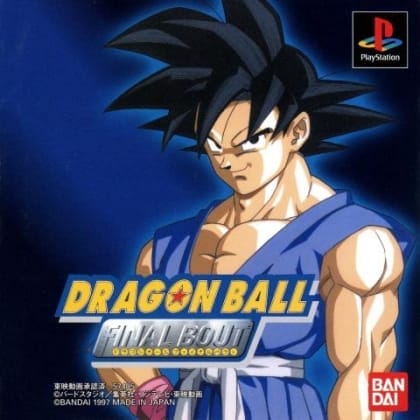
Dragon Ball GT: Final Bout
• 1997
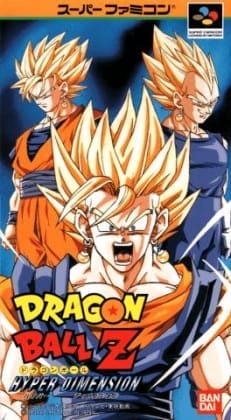
Dragon Ball Z: Hyper Dimension
• 1995
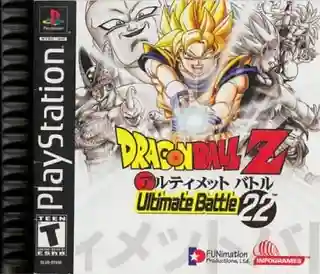
Dragon Ball Z: Ultimate Battle 22
• 1995
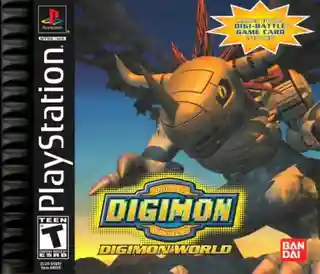
Digimon World
• 1999

Naruto: Konoha Ninpouchou
• 2001

From TV Animation One Piece - Grand Battle Swan Colosseum
• 2002

Neon Genesis Evangelion
• 1999

Digimon Adventure
• 2003
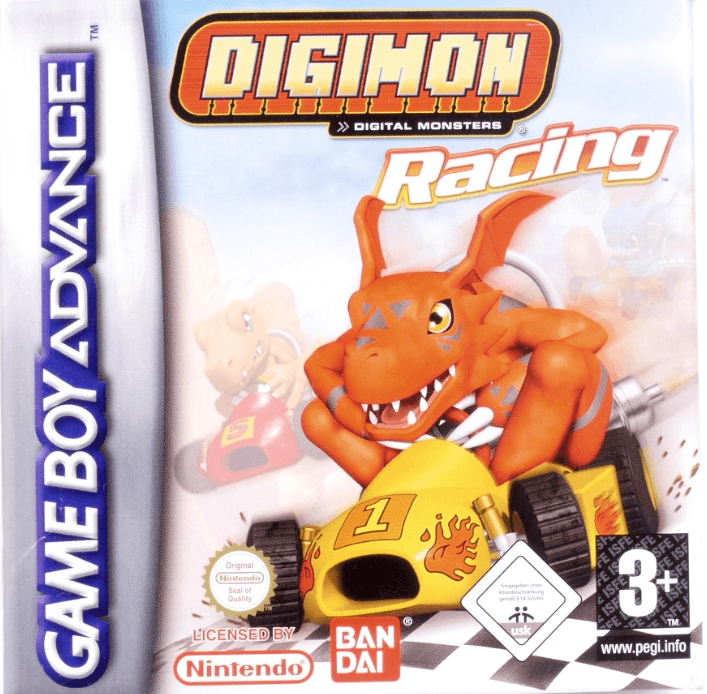
Digimon Racing
• 2004
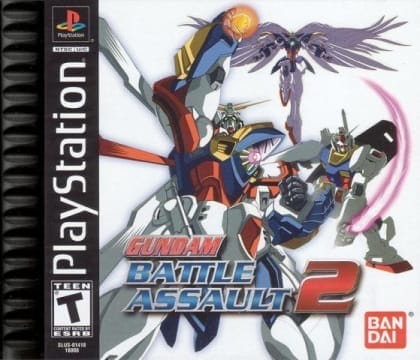
Gundam Battle Assault 2
• 2002
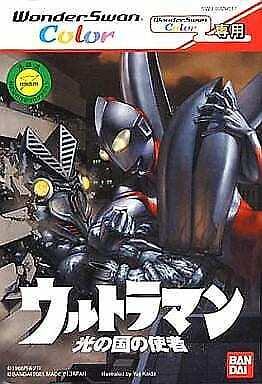
Ultraman: Messenger of the Land of Light
• 2000
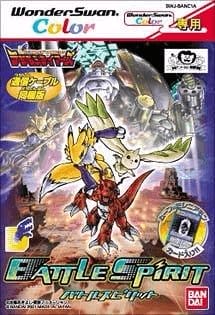
Digimon: Battle Spirit
• 2001
About Bandai
Bandai is a merged game development company founded on July 5, 1950 and headquartered in .
Known for creating iconic titles such as Dragon Ball Z: Budokai, Gundam series, Tamagotchi and more, Bandai has left an indelible mark on the video game industry.