
Hack
Notable Games
Company History
The term "hack" in the context of video games refers to the broad community-driven practice of modifying existing games or creating entirely new experiences through unauthorized alterations of commercial software. The origins of game hacking trace back to the earliest days of home computing in the late 1970s and early 1980s, when hobbyist programmers began exploring the inner workings of the games they played. Early hackers would modify game code stored on floppy disks or cartridge ROMs to change gameplay elements, add cheats, or simply learn how software worked. As the ROM hacking community grew through the 1990s, particularly with the rise of the internet, fans began creating sophisticated tools for disassembling and editing game data.
net became central hubs for sharing patches, translations, and complete game overhauls. The tradition of fan translations was especially significant, as dedicated groups would spend years translating Japanese RPGs and other titles that were never officially localized for Western audiences. Games like Mother 3, Fire Emblem: Thracia 776, and countless others became accessible to English-speaking audiences solely through the efforts of ROM hackers. Early pioneers worked with hex editors and crude disassemblers, painstakingly mapping out ROM data byte by byte.
By the mid-1990s, dedicated utilities began to appear: Lunar Magic revolutionized Super Mario World hacking by providing a graphical level editor, while tools like Tile Layer Pro allowed sprite editing across multiple platforms. net, which became the central repository for patches, utilities, and documentation. Translation patches represent one of the community's most celebrated contributions. Groups like DeJap Translations, Aeon Genesis, and fan-translation teams brought hundreds of Japan-exclusive titles to English-speaking audiences, including masterpieces like Tales of Phantasia, Seiken Densetsu 3, and Star Ocean.
These translation projects often required years of work, involving not just language skills but deep technical knowledge of text encoding, compression algorithms, and font rendering systems. The hack and homebrew scene also encompasses original creations built using the hardware constraints of retro consoles, with developers creating new games for the NES, SNES, Game Boy, and Sega Genesis decades after those platforms ceased commercial production. The community has produced remarkable works that rival or even surpass the quality of commercial releases from those eras, demonstrating both technical mastery and creative vision within severe hardware limitations. AM2R (Another Metroid 2 Remake) by Milton Guasti demonstrated how fan developers could reimagine classic titles with modern design sensibilities, though Nintendo's DMCA takedown in 2016 highlighted the legal tensions surrounding fan projects.
Behind the Scenes
The development culture surrounding game hacks and homebrew represents one of the most grassroots and democratic movements in gaming history. Unlike commercial game development, hack creators typically work alone or in small volunteer teams, motivated purely by passion for the source material and the desire to push hardware to its limits. The technical challenges involved are substantial: hackers must reverse-engineer proprietary file formats, understand undocumented hardware behavior, and work within the strict memory and processing constraints of vintage platforms. Tools for ROM hacking have evolved dramatically over the decades, from simple hex editors to sophisticated graphical tile editors, script inserters, and level design tools.
The community developed its own distribution format, the IPS and later BPS patch format, which allows modifications to be shared without distributing copyrighted game data. This approach has helped the scene maintain a degree of legal separation from software piracy, though the relationship between ROM hacking and intellectual property law remains complex. Some of the most celebrated hack projects include Super Mario World ROM hacks like Kaizo Mario World, which spawned an entire subgenre of extremely difficult platforming challenges, and Pokemon ROM hacks that create entirely new regions, stories, and gameplay mechanics. The Kaizo Mario World phenomenon, created by T.
Takemoto in 2007, spawned an entire subgenre of ultra-difficult platformer hacks that became a staple of streaming culture. brought ROM hacking to mainstream awareness. The creation of Lunar Magic and its ecosystem of custom sprites, blocks, and music tools turned Super Mario World into a platform for endless creative expression, with SMW Central hosting tens of thousands of custom levels and hundreds of complete game modifications. Pokemon ROM hacks like Pokemon Prism, Pokemon Glazed, and Pokemon Unbound expanded the franchise in ways official releases never attempted, adding new regions, mechanics, and storylines.
The Sonic the Hedgehog hacking community has been particularly prolific, with projects like Sonic Megamix demonstrating what the Genesis hardware could achieve in skilled hands. Fan translation projects often require not just linguistic expertise but deep technical knowledge, as text systems in older games were frequently compressed or encoded in non-standard ways. Projects like the Mother 3 fan translation by Tomato (Clyde Mandelin) achieved professional-quality results that rivaled official localizations, taking years of dedicated effort. The homebrew development scene continues to thrive today, with annual competitions and game jams encouraging new creators to develop for classic hardware platforms.
Organizations like the Video Game History Foundation and Hidden Palace have worked alongside the hacking community to preserve thousands of prototype ROMs and development materials.

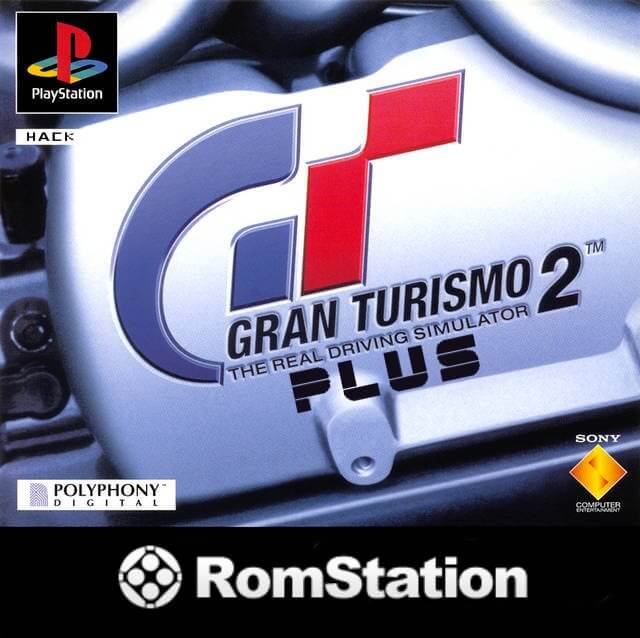
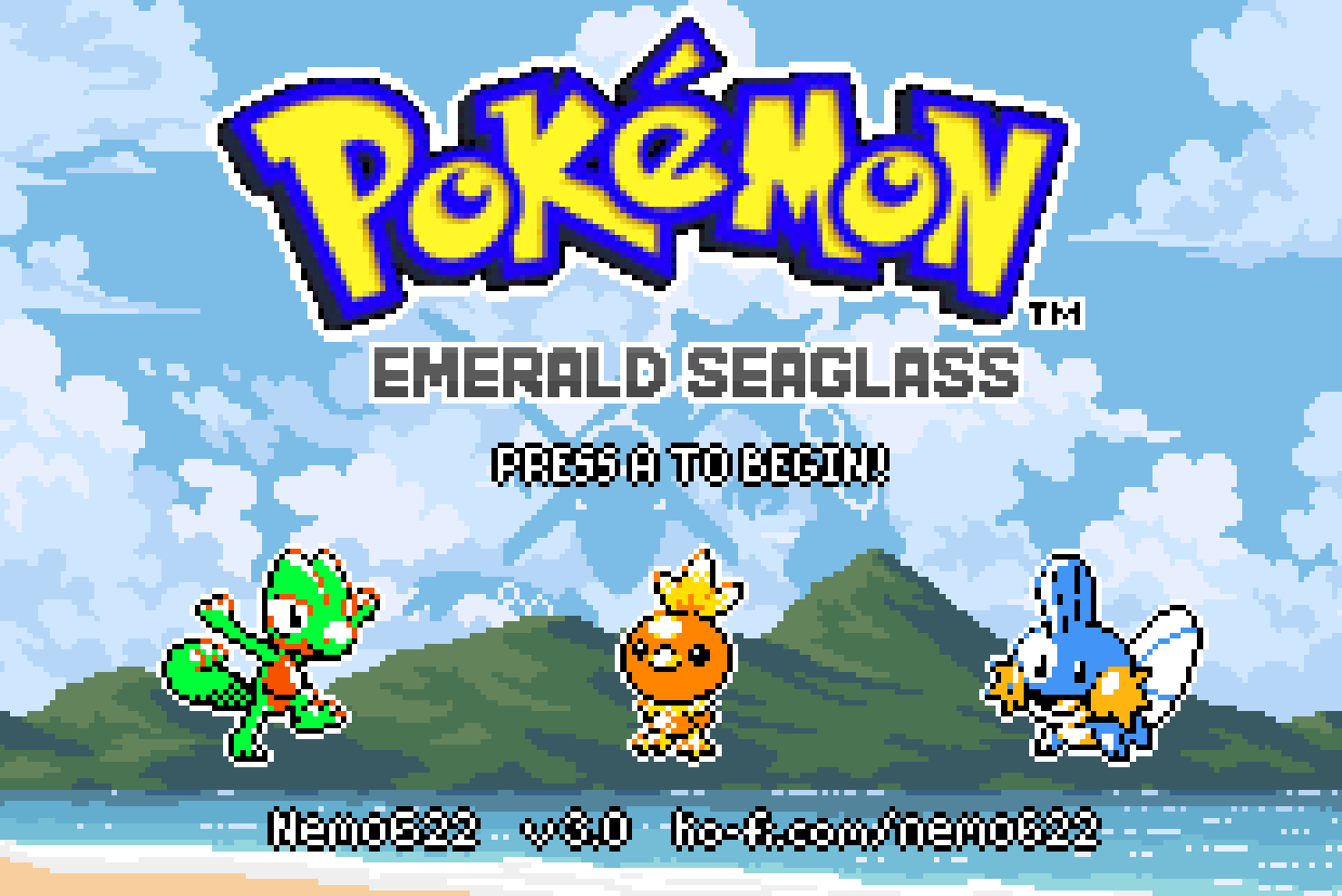
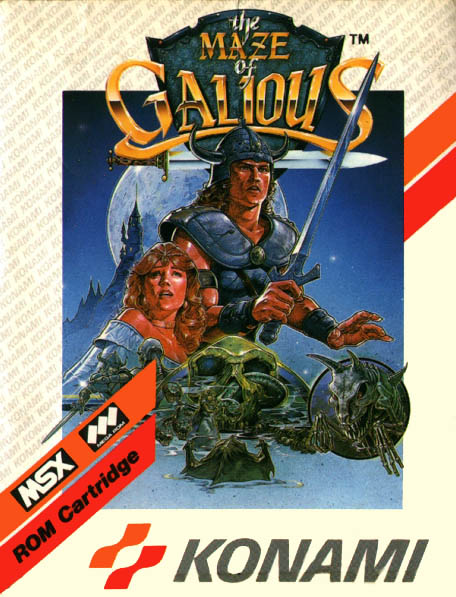
About Hack
Hack is an active game development company founded on Invalid Date and headquartered in .
Known for creating iconic titles such as Kaizo Mario World, Pokemon Prism, Super Mario Star Road and more, Hack has left an indelible mark on the video game industry.