
Hudson Soft
Bomberman creators
Notable Games
Company History
Hudson Soft Company, Ltd. was founded on May 18, 1973, in Sapporo, Japan, by brothers Hiroshi and Yuji Kudo. Originally a retail store selling telecommunications equipment and personal computer products, Hudson evolved into a pioneering game developer that shaped the early Japanese gaming industry before being absorbed by Konami.
Hudson's early software development included licensed titles and original games for various Japanese home computers in the early 1980s. The company caught Nintendo's attention with its programming skills, leading to a licensing agreement that made Hudson the first third-party developer for the Famicom.
The Bomberman series, beginning with Hudson's version in 1983, became the company's signature franchise. The simple concept — placing bombs to destroy obstacles and enemies in maze-like environments — proved endlessly adaptable, supporting competitive multiplayer that remained compelling for decades.
The TurboGrafx-16/PC Engine (1987) represented Hudson's greatest hardware achievement. Developed jointly with NEC, this 16-bit era competitor featured innovative hardware including the TurboGrafx-CD add-on. The console achieved success in Japan but struggled in North America against Sega and Nintendo.
The Adventure Island series provided reliable mascot platforming. The company also developed Bonk (PC Genjin), another platformer mascot for PC Engine. Mario Party development began under Hudson's direction for Nintendo.
Konami acquired Hudson Soft through stock purchases between 2001 and 2011, eventually merging the company completely in March 2012. Hudson Soft ceased to exist as an independent entity.
Behind the Scenes
Hudson's programming expertise earned Nintendo's first third-party license when most developers struggled to produce quality Famicom software independently. This technical capability positioned Hudson as an industry leader during console gaming's formative years.
Bomberman's evolution demonstrated iterative design refinement. The core bombing mechanics remained consistent while multiplayer modes expanded to support additional players. Super Bomberman for SNES supported four simultaneous players with multitap accessories. Saturn Bomberman reached ten players. This multiplayer focus distinguished Bomberman from single-player mascot peers.
The TurboGrafx-16 development showed hardware ambition. Hudson and NEC created a console that technically exceeded Sega Genesis in some respects, particularly CD-ROM integration. However, marketing failures and limited third-party support in North America prevented success against established competitors.
The Mario Party series, developed by Hudson for Nintendo, demonstrated the company's understanding of multiplayer dynamics. Board game structure and competitive minigames created accessible entertainment for mixed-skill groups. The series' enormous success validated Hudson's party game expertise.
Hudson's relationship with Konami transitioned from partnership to absorption. Initial stock purchases gave Konami significant ownership, and subsequent acquisitions eliminated Hudson's independence. Former Hudson franchises like Bomberman became Konami properties.
The complete dissolution of Hudson Soft in 2012 ended one of Japan's oldest game companies. The Kudo brothers' store had grown into a significant developer, shaped console history through TurboGrafx-16, and created enduring franchises. Konami continues managing Hudson's legacy properties.
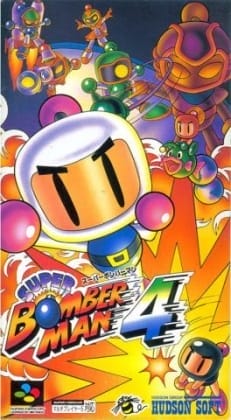
Super Bomberman 4
• 1996
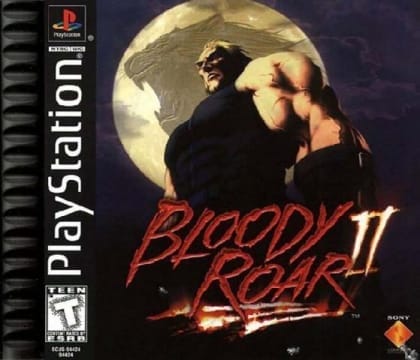
Bloody Roar 2: Bringer of the New Age
• 1999
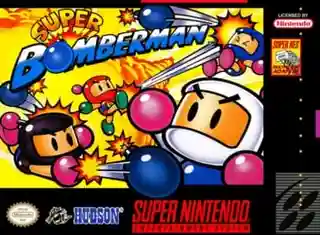
Super Bomberman
• 1993
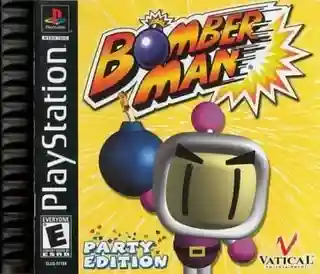
Bomberman Party Edition
• 1998
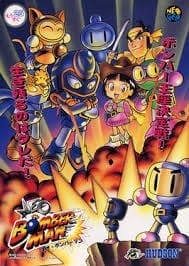
Neo Bomberman
• 1997
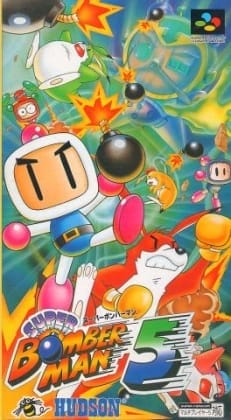
Super Bomberman 5
• 1997
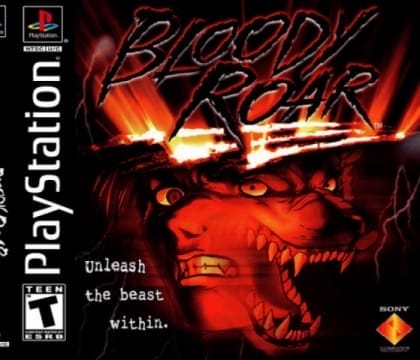
Bloody Roar
• 1997
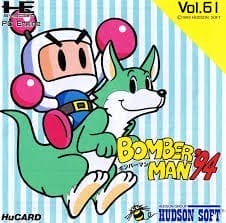
Bomberman '94
• 1993
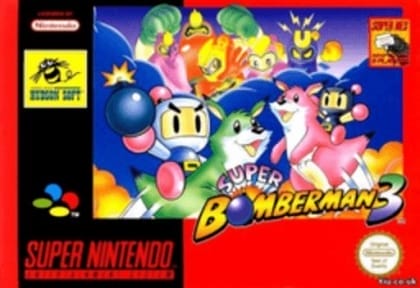
Super Bomberman 3
• 1995
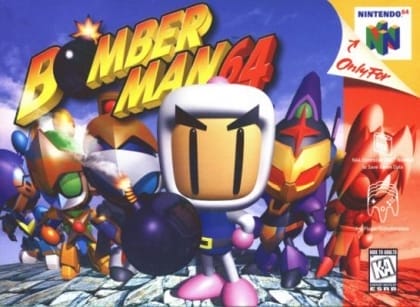
Bomberman 64
• 1997
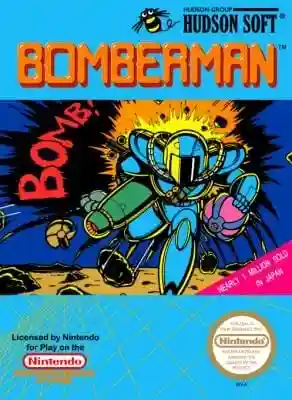
Bomberman
• 1985
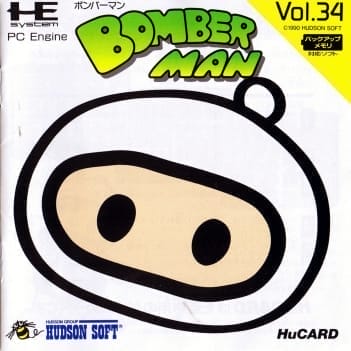
Bomberman
• 1991
About Hudson Soft
Hudson Soft is a defunct game development company founded on May 18, 1973 and headquartered in .
Known for creating iconic titles such as Bomberman, Adventure Island, Bonk's Adventure and more, Hudson Soft has left an indelible mark on the video game industry.