LucasArts
Star Wars games masters
Notable Games
Company History
LucasArts Entertainment Company LLC was founded in 1982 as the Games Division of Lucasfilm, created by George Lucas. The studio achieved legendary status for graphic adventure games that defined the genre's gold standard, while also producing beloved Star Wars games that set benchmarks for licensed game quality.
The adventure game legacy began with Maniac Mansion (1987), which introduced the SCUMM (Script Creation Utility for Maniac Mansion) engine. This engine powered LucasArts adventures for over a decade. The Secret of Monkey Island (1990), Day of the Tentacle (1993), Full Throttle (1995), Sam & Max Hit the Road (1993), and Grim Fandango (1998) established LucasArts as the premier adventure game developer.
These games distinguished themselves through wit, accessibility, and player-friendly design. Unlike competitor Sierra's adventures, LucasArts games typically avoided player death and unwinnable states. The writing, particularly from Tim Schafer and Ron Gilbert, achieved comedic and dramatic quality rarely seen in games.
Star Wars games leveraged LucasArts' connection to the franchise. X-Wing (1993) and TIE Fighter (1994) created definitive space combat simulations. Dark Forces (1995) launched the Jedi Knight series. Knights of the Old Republic (2003), developed by BioWare and published by LucasArts, achieved instant classic status.
Disney acquired Lucasfilm in 2012 and closed LucasArts as a developer in 2013, converting it into a licensing entity. The studio's catalog passed to Disney, with various games becoming available through re-releases.
Behind the Scenes
LucasArts' adventure game team established design principles that influenced the entire genre. The decision to eliminate player death and dead-end states was revolutionary, removing frustrations that plagued competitors' games. Players could explore, experiment, and enjoy stories without fear of losing progress.
The SCUMM engine standardized adventure game interfaces. Verb-based interaction (Look, Talk, Use, Pick Up) created consistent player expectations. As the engine evolved, it supported increasingly cinematic presentations while maintaining accessibility.
Writing talent defined LucasArts adventures. Ron Gilbert created Monkey Island's unique blend of pirate tropes and meta-humor. Tim Schafer developed distinctive comedic voice across multiple titles before directing Grim Fandango. This writing quality elevated games from interactive puzzles to genuine artistic achievements.
The humor was specifically crafted for gaming's interactive nature. Fourth-wall jokes acknowledged the absurdity of adventure game conventions. Puzzle solutions incorporated comedic logic. The games' wit emerged from player engagement rather than passive observation.
Star Wars games benefited from access to Lucasfilm resources: authentic sound effects, John Williams' music, and deep lore knowledge. X-Wing and TIE Fighter used this authenticity to create definitive Star Wars flight experiences. The collaborative relationship between LucasArts and Lucasfilm enabled quality that external licensees couldn't match.
The studio's closure ended one of gaming's most distinctive creative voices. Disney's conversion to licensing-only model meant LucasArts no longer created games, only authorized others to use Star Wars properties. The loss of internal development capability represented the end of an era.
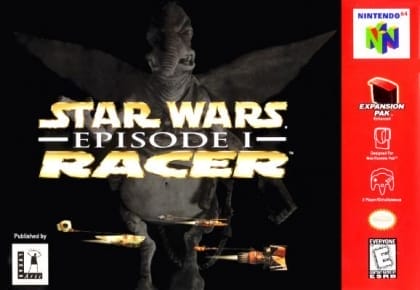
Star Wars: Episode I - Racer
• 1999

Zombies Ate My Neighbors
• 1993
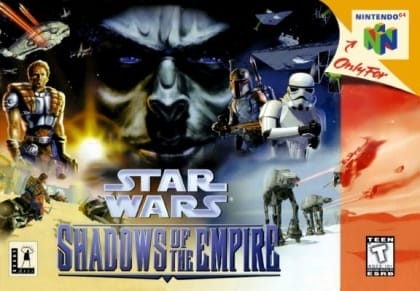
Star Wars: Shadows of the Empire
• 1996
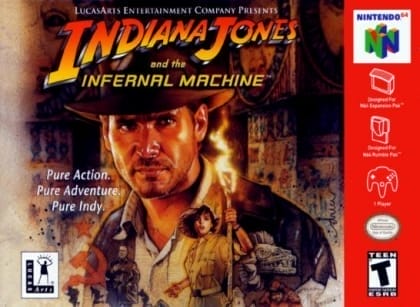
Indiana Jones and the Infernal Machine
• 2000
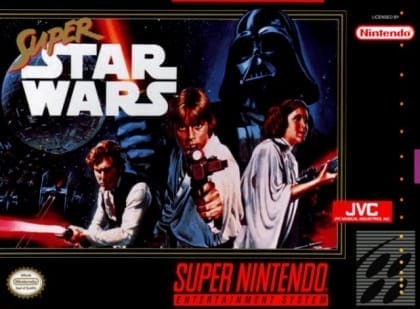
Super Star Wars
• 1992
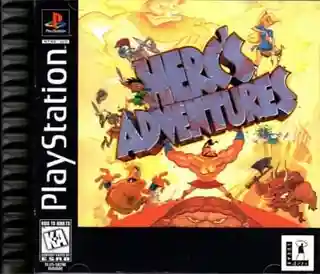
Herc's Adventures
• 1997
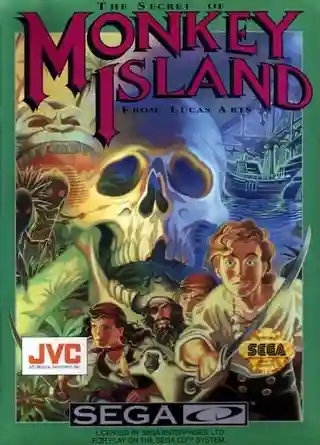
The Secret of Monkey Island
• 1993
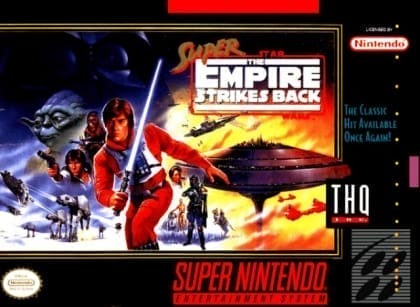
Super Star Wars: The Empire Strikes Back
• 1993
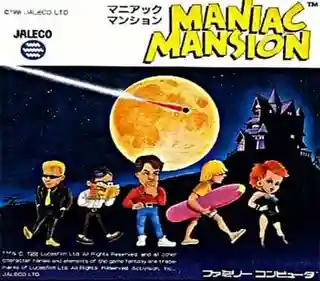
Maniac Mansion
• 1990
About LucasArts
LucasArts is a defunct game development company founded on January 1, 1982 and headquartered in .
Known for creating iconic titles such as The Secret of Monkey Island, Grim Fandango, Day of the Tentacle and more, LucasArts has left an indelible mark on the video game industry.