Midway
Notable Games
Company History
Midway Manufacturing Company was founded in 1958 in Chicago, Illinois, as a pinball machine and amusement equipment manufacturer. The company evolved into a significant American arcade game developer before bankruptcy in 2009 ended its independent existence.
Midway's video gaming origins involved licensing Japanese games for American distribution, including Taito's Space Invaders and Namco's Pac-Man. Original development began in the early 1980s with games like Defender, Robotron: 2084, and Joust. These Eugene Jarvis-designed titles demonstrated American arcade game design capabilities.
The company achieved massive success with Mortal Kombat (1992). The digitized graphics, violent fatalities, and controversy generated enormous attention and sales. Mortal Kombat became one of the best-selling franchises in fighting game history, spawning numerous sequels, films, and media adaptations.
Other significant franchises included NBA Jam (establishing arcade sports game conventions), Cruis'n racing games, and the Blitz football series. The Nintendo 64 saw successful Midway ports and original titles.
Financial difficulties accumulated through the 2000s. Poor business decisions, declining arcade market, and competition from larger publishers eroded Midway's position. The company filed for bankruptcy in 2009. Warner Bros. acquired the Mortal Kombat franchise; other properties dispersed to various acquirers.
Behind the Scenes
Midway's American identity distinguished it from Japanese arcade competitors. Games like Defender and Robotron reflected Western design sensibilities: complex, challenging, aggressive. These weren't the accessible Japanese-style experiences; they demanded player commitment.
Eugene Jarvis's design philosophy emphasized sensory intensity. Defender's difficulty curve was brutal; Robotron's twin-stick chaos was overwhelming by design. These games created memorable experiences through extremity rather than gradually escalating challenge.
Mortal Kombat's development deliberately courted controversy. The digitized graphics made violence feel more realistic than competitor sprites. Fatalities ensured players would discuss the game. The resulting political attention, including Congressional hearings, served as marketing. The ESRB rating system emerged partly from Mortal Kombat's impact.
NBA Jam demonstrated Midway's ability to capture sports essence through exaggeration. Two-on-two basketball with catching fire after consecutive shots, commentator exclamations ("BOOMSHAKALAKA!"), and hidden players created arcade sports experience that realistic simulations couldn't match.
The company's decline illustrated independent arcade developer vulnerabilities. As home consoles advanced, arcade exclusivity diminished. Without console development capability or publisher relationships, pure arcade developers struggled. Midway attempted console transition but lacked the resources and expertise to compete with established publishers.
The intellectual property dispersal after bankruptcy separated valuable franchises from the company that created them. Warner Bros.'s Mortal Kombat development through NetherRealm Studios continues the series' legacy without Midway's involvement.

Mortal Kombat
• 1993

Ultimate Mortal Kombat 3
• 1996
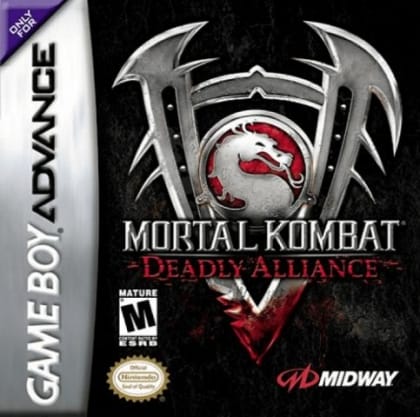
Mortal Kombat: Deadly Alliance
• 2002
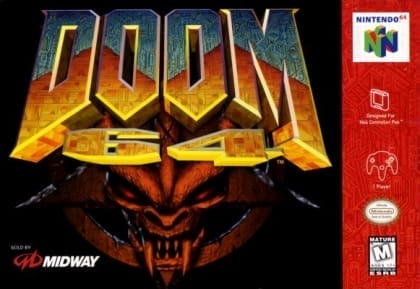
Doom 64
• 1997
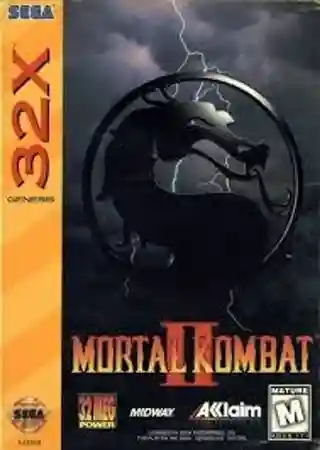
Mortal Kombat II
• 1994
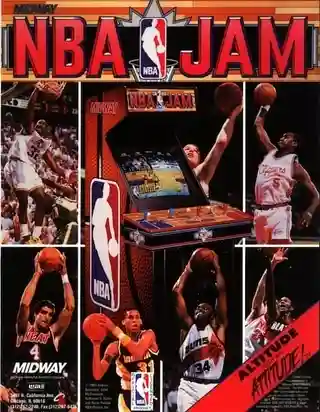
NBA Jam
• 1993
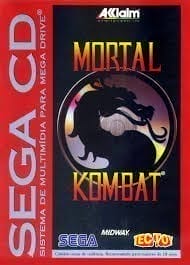
Mortal Kombat
• 1993
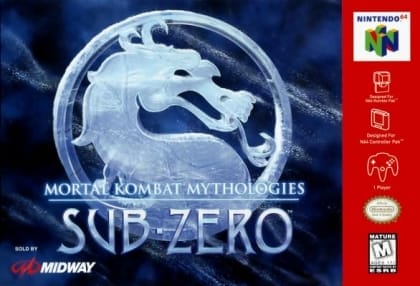
Mortal Kombat Mythologies: Sub-Zero
• 1997
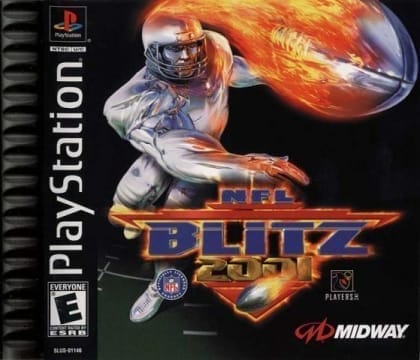
NFL Blitz 2001
• 2000
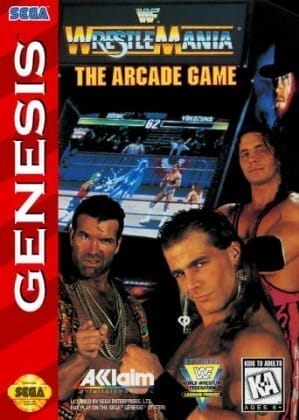
WWF WrestleMania: The Arcade Game
• 1995
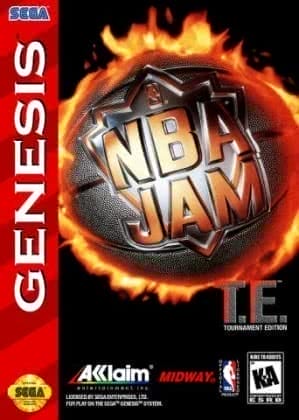
NBA Jam Tournament Edition
• 1995
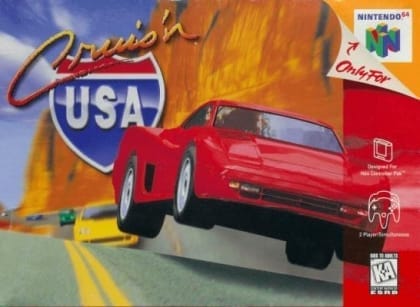
Cruis'n USA
• 1996
About Midway
Midway is a defunct game development company founded on January 1, 1958 and headquartered in .
Known for creating iconic titles such as Mortal Kombat, NBA Jam, Gauntlet and more, Midway has left an indelible mark on the video game industry.