
Psikyo
Arcade shooter specialists
Notable Games
Company History
Psikyo Co., Ltd. was founded in 1992 in Japan by former Video System employees. The studio quickly established itself as one of the premier arcade shoot-em-up developers of the 1990s, creating a distinctive style that balanced accessibility with the depth demanded by hardcore shooter fans.
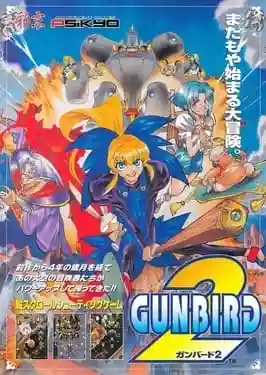
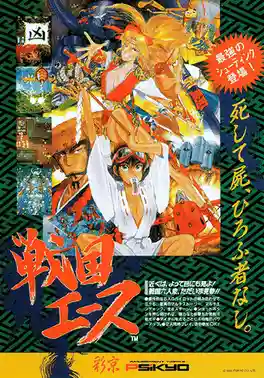
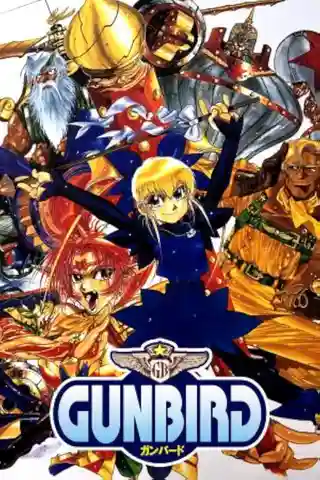
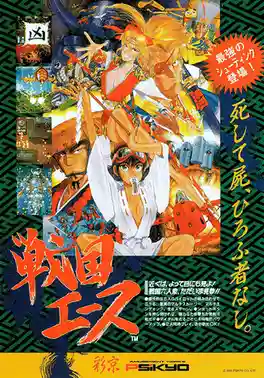
The company launched with Samurai Aces (Sengoku Ace, 1993), a vertical shooter featuring feudal Japanese characters piloting planes — a premise as delightfully absurd as it sounds. This was followed by Gunbird (1994), which combined cute character designs with demanding bullet patterns and became one of the studio's most beloved franchises. Gunbird 2 (1998) is particularly well-regarded.
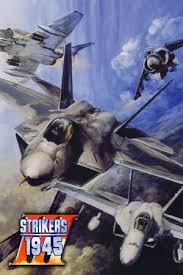
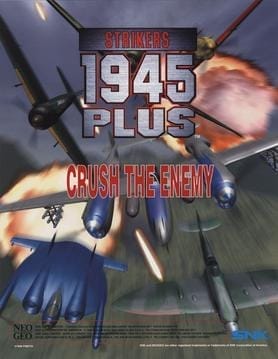
The Strikers 1945 series (1995-1999) became Psikyo's flagship franchise, featuring World War II-era aircraft battling increasingly fantastical enemies (giant mechs, alien technology). The games' accessible difficulty curves made them perfect for arcade locations — challenging enough to drain credits but fair enough to encourage continued play. The series sold well in arcades worldwide.
Psikyo also ventured into fighting games with Daraku Tenshi: The Fallen Angels (1998) and produced numerous mahjong games popular in Japanese arcades. After founder Shinya Hashimoto departed the company in 1998, Psikyo continued under new leadership but gradually declined. The company was acquired by X-Nauts in 2002 and ceased original development. City Connection later acquired the Psikyo catalog, enabling digital re-releases on modern platforms including Nintendo Switch, introducing classic shooters to new audiences.
Behind the Scenes
Psikyo's development philosophy positioned their shooters as "gateway drugs" to the bullet hell genre. While competitors like Cave pushed ever-denser bullet patterns demanding frame-perfect dodging, Psikyo maintained relative accessibility. Their games were hard but learnable, rewarding pattern recognition and positioning without requiring the extreme dedication that bullet hell demanded.
The studio developed a distinctive "rank" system where game difficulty dynamically adjusted based on player performance. Collecting power-ups, surviving without dying, and achieving high scores increased the "rank," spawning more bullets and aggressive enemies. Skilled players faced greater challenges while struggling newcomers experienced easier gameplay. This hidden system created naturally balanced difficulty progression.
Character design in Psikyo shooters emphasized personality. Samurai Aces and Gunbird featured diverse casts with individual storylines revealed through intermission screens. The juxtaposition of cute anime characters with intense action created an appealing tone — never taking itself too seriously while delivering hardcore gameplay. This aesthetic influenced countless subsequent shooters.
Technically, Psikyo games were known for smooth performance and responsive controls. The immediate, tactile feel of movement and shooting made the games satisfying regardless of skill level. Explosions were punchy, hit feedback was clear, and visual effects rewarded success. These polish elements, often underappreciated, were essential to the satisfying nature of Psikyo shooters.
The company's business model relied heavily on arcade revenue, which declined significantly in the late 1990s outside Japan. This exposure to shrinking markets contributed to Psikyo's struggles. However, the enduring quality of their games has led to sustained interest through digital re-releases, proving that well-designed arcade experiences remain compelling decades later.


About Psikyo
Psikyo is a defunct game development company founded on January 1, 1992 and headquartered in .
Known for creating iconic titles such as Strikers 1945, Strikers 1945 II, Gunbird and more, Psikyo has left an indelible mark on the video game industry.