
Square Enix
Notable Games
Company History
Square Enix Holdings Co., Ltd. was formed on April 1, 2003, through the merger of Square Co., Ltd. and Enix Corporation, uniting two of Japan's most significant RPG publishers. The combined company became the largest Japanese game publisher and custodian of two legendary RPG franchises: Final Fantasy and Dragon Quest.
The merger was driven by strategic necessity following Square's near-bankruptcy after Final Fantasy: The Spirits Within film failure. Enix, operating profitably through its publishing model, sought Square's development capability. The combination created complementary strengths: Square's technical ambition and Enix's business stability.
Square Enix expanded through acquisitions: Taito (2005), Eidos Interactive (2009, bringing Tomb Raider and Deus Ex franchises), and ongoing partnerships. This expansion diversified the portfolio beyond Japanese RPGs into Western action games and arcade properties.
Continuing franchises include Final Fantasy (mainline and spinoffs), Dragon Quest, Kingdom Hearts, NieR, and various Eidos properties. The company also became a significant mobile game publisher through titles like Final Fantasy Brave Exvius and Dragon Quest Walk.
Square Enix operates globally with development studios in Japan, North America, and Europe. The company navigates between Japanese RPG traditions and Western gaming trends while managing substantial legacy franchise expectations.
Behind the Scenes
The merger integration required balancing different corporate cultures. Square operated as an internal development powerhouse emphasizing technical achievement. Enix functioned as a publisher partnering with external developers. Square Enix attempted to preserve both approaches while extracting synergies.
Final Fantasy and Dragon Quest coexistence within one company eliminated direct competition while creating internal resource allocation challenges. Each franchise had dedicated audiences expecting continued attention. Development resources couldn't simply favor one over the other.
The Eidos acquisition represented strategic expansion into Western markets. Tomb Raider's reboot demonstrated successful franchise revitalization. Deus Ex titles maintained the property's identity. These Western franchises provided geographic diversification against Japanese market fluctuations.
Square Enix's approach to Final Fantasy has evolved. Mainline entries have shifted from turn-based combat toward action gameplay. Final Fantasy VII Remake demonstrated willingness to reimagine beloved titles rather than simply remaster. Final Fantasy XIV's recovery from disastrous launch showed commitment to long-term service game operation.
The company faced criticism regarding development timelines and project management. Final Fantasy XV spent a decade in development under various names. Kingdom Hearts III took years between announcement and release. These delays raised questions about internal processes.
NieR: Automata's success demonstrated partnership potential. PlatinumGames developed while Square Enix published, producing a critically acclaimed action RPG that revitalized the property. This collaboration model offered alternative to purely internal development.
Modern Square Enix navigates between nostalgia (remakes, remasters) and innovation (new IPs, service games). The balance between honoring legacy expectations and exploring new directions defines ongoing creative tension.
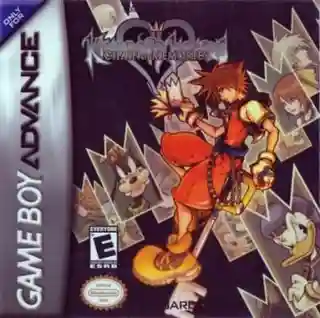
Kingdom Hearts: Chain of Memories
• 2004
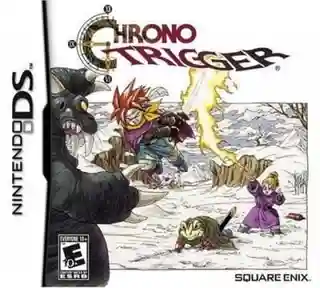
Chrono Trigger
• 2008
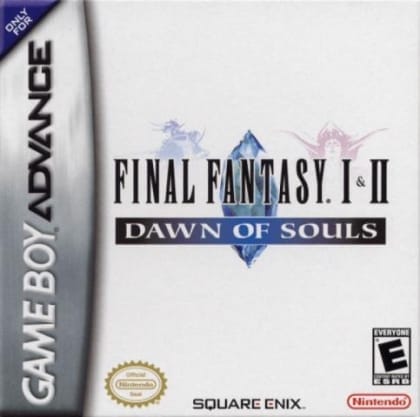
Final Fantasy I & II Advance
• 2004
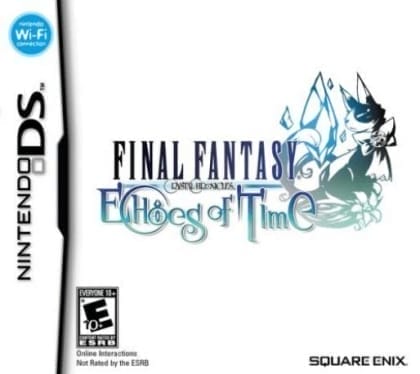
Final Fantasy Crystal Chronicles: Echoes of Time
• 2009
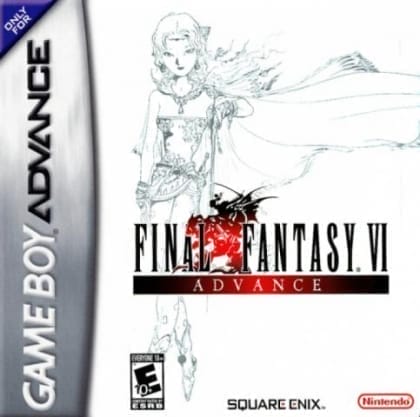
Final Fantasy VI Advance
• 2007
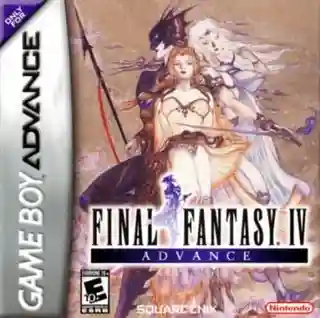
Final Fantasy IV Advance
• 2005
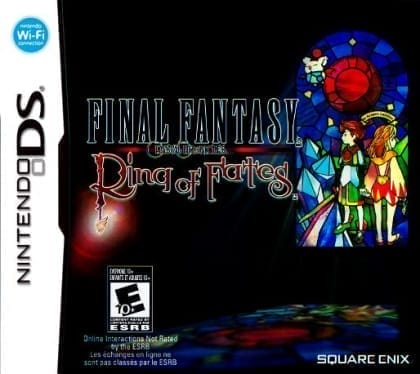
Final Fantasy Crystal Chronicles: Ring of Fates
• 2007
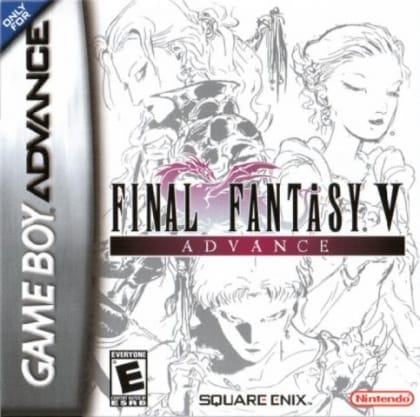
Final Fantasy V Advance
• 2006
About Square Enix
Square Enix is an active game development company founded on April 1, 2003 and headquartered in .
Known for creating iconic titles such as Final Fantasy XIV, Final Fantasy VII Remake, NieR: Automata and more, Square Enix has left an indelible mark on the video game industry.