
Ubisoft
Rayman creators
Notable Games
Company History
Ubisoft Entertainment SA was founded on March 28, 1986, in Carentoir, Brittany, France, by five brothers: Claude, Michel, Yves, Gérard, and Christian Guillemot. From humble beginnings as a software distributor, Ubisoft grew to become one of the world's largest video game publishers and developers.
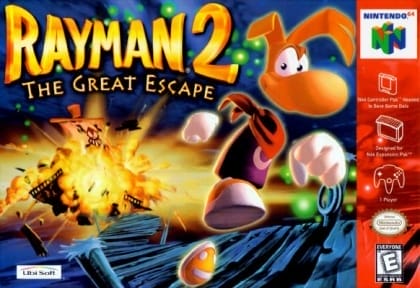
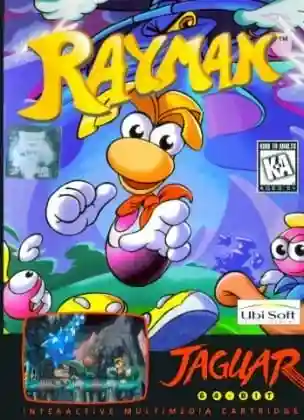
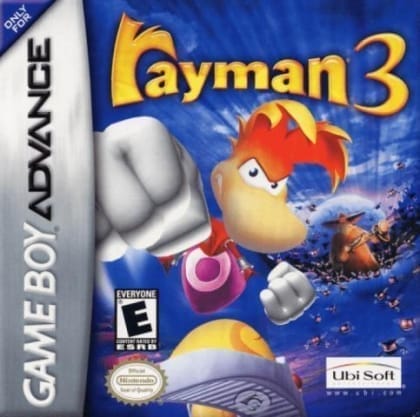
The company began distributing software in France before expanding into game development. Rayman (1995), designed by Michel Ancel at Ubisoft's Montpellier studio, became the company's first major original franchise. The limbless character's fluid animation and challenging platforming established Ubisoft as a creative force.
Tom Clancy's games transformed Ubisoft's scope. Rainbow Six (1998), Ghost Recon (2001), and Splinter Cell (2002) brought tactical military gaming to mainstream audiences. These franchises generated billions in revenue and established ongoing live-service models.
Prince of Persia: The Sands of Time (2003) demonstrated Ubisoft's ability to reinvigorate licensed properties with innovative mechanics. Ubisoft eventually acquired the Prince of Persia IP entirely.
Assassin's Creed (2007) became Ubisoft's defining franchise. The historical action-adventure series, featuring assassins operating across various eras, has sold over 200 million copies. The games established the "Ubisoft formula" of open-world exploration, activities, and collectibles that influenced the entire industry.
Far Cry, Watch Dogs, The Division, and For Honor expanded the publisher's portfolio. Ubisoft operates studios across multiple countries, coordinating massive projects across international teams. The company has faced various challenges including workplace culture issues and changing market conditions but remains a major industry force.
Behind the Scenes
The Guillemot brothers established a decentralized development model unusual for the industry. Rather than concentrating development in a single headquarters, Ubisoft built studios across multiple countries: France, Canada (Montreal became particularly significant), Sweden, Singapore, and others. This distributed structure allowed simultaneous development of multiple AAA titles.
Assassin's Creed pioneered production approaches that became Ubisoft standards. The open-world historical settings required vast amounts of content — buildings, NPCs, quests, collectibles. Ubisoft developed efficient pipelines for generating this content across multiple studios, with different teams handling different game aspects (core gameplay, world building, live services).
This production efficiency enabled annual or biannual franchise releases. Assassin's Creed, Far Cry, and other series received regular installments following established templates. Critics labeled this the "Ubisoft formula" — open worlds filled with icons marking activities, towers revealing map portions, and systematic content. Defenders noted that the formula delivered substantial, polished content; critics argued it produced homogenized experiences.
Michel Ancel's creative leadership at Montpellier produced distinctive titles within the corporate structure: Beyond Good & Evil, various Rayman titles, and the cancelled Wild. His 2020 departure illustrated tensions between individual creative vision and corporate development processes.
Ubisoft's struggles with workplace culture, publicly revealed in 2020, prompted structural changes. Reports of misconduct led to executive departures and policy reforms. The company's response to these revelations shaped its subsequent development and represented broader industry reckoning with workplace issues.

About Ubisoft
Ubisoft is an active game development company founded on March 28, 1986 and headquartered in .
Known for creating iconic titles such as Assassin's Creed, Far Cry, Tom Clancy's Rainbow Six Siege and more, Ubisoft has left an indelible mark on the video game industry.