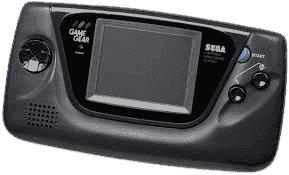
Sega Game Gear
Technical Specs
CPU
Zilog Z80 @ 3.5796 MHz
GPU
Sega VDP (derived from Master System VDP, extended color palette), custom ASIC
Memory
8 KB main RAM, 16 KB VRAM
Storage
Cartridge-based ROM (up to 4 Mbit / 512 KB)
Display
3.2-inch backlit STN LCD, 160x144 pixels, 32 simultaneous colors on screen from 4,096 color palette (12-bit), CCFL backlight
Audio
Texas Instruments SN76489 Programmable Sound Generator (PSG), 3 square wave tone channels + 1 white noise channel, mono built-in speaker, stereo output via headphone jack
Media
Game Gear Cartridge (proprietary), Sega Master System cartridge (via Master Gear Converter adapter)
History
The Sega Game Gear, launched October 6, 1990 in Japan, was Sega's direct challenge to Nintendo's dominant Game Boy handheld. While the Game Boy offered a monochrome, non-backlit display, the Game Gear boasted a full-color backlit screen capable of displaying 32 colors simultaneously from a palette of 4,096. For consumers accustomed to squinting at the Game Boy's greenish LCD, the Game Gear seemed like a generational leap.
Under the hood, the Game Gear was essentially a portable Sega Master System. It shared the same Z80 CPU architecture, similar VDP graphics chip, and compatible sound hardware. This architectural kinship with the Master System was a strategic advantage ??it gave developers a familiar platform to work with and enabled straightforward ports. The Master Gear Converter accessory allowed the Game Gear to play Master System cartridges directly, instantly granting access to an existing library of titles.
Sega supported the Game Gear with a strong software lineup. Sonic the Hedgehog received unique portable versions that were not mere downscales of the Genesis titles but original games designed for the hardware. Columns provided an addictive puzzle experience, while Shinobi, Streets of Rage, and Shining Force offered scaled-down versions of popular Genesis franchises. Sega also released numerous licensed Disney and Marvel games that appealed to younger audiences.
The Game Gear had several innovative accessories, including a TV Tuner that transformed it into a portable television ??a remarkable feature for the early 1990s. Other peripherals included a Car Adapter for road trips and the Gear-to-Gear Cable for two-player multiplayer.
Despite its technical superiority over the Game Boy, the Game Gear was hampered by two fundamental problems. Its battery consumption was voracious: six AA batteries lasted only 3 to 5 hours, compared to the Game Boy's 30+ hours on four AAs. The console was also noticeably bulkier and heavier, diminishing its true portability. These drawbacks, combined with the Game Boy's enormous library advantage and the Pokemon phenomenon, meant the Game Gear never seriously threatened Nintendo's handheld dominance.
The Game Gear sold approximately 10.62 million units worldwide before being discontinued in 1997. While commercially overshadowed by the Game Boy, it remains a well-regarded handheld among collectors, and its color screen was a genuine technological achievement for portable gaming in 1990.
Variants & Revisions
Game Gear (HGG-3200, original)
Released: October 6, 1990
The original Japanese model in black. Featured a 3.2-inch color backlit LCD, built-in mono speaker, stereo headphone jack, and EXT port for accessories. Required 6 AA batteries.
Game Gear (North America)
Released: April 15, 1991
North American launch model, identical hardware to the Japanese version. Launched at $149.99 with Columns as the pack-in game.
Game Gear (Color variants)
Released: January 1, 1993
Limited edition color variants released in various markets, including blue, red, yellow, white, and special Coca-Cola and Sports branded editions.
Game Gear Micro
Released: October 6, 2020
A miniature commemorative re-release celebrating the 30th anniversary. Features a tiny 1.15-inch LCD screen with 4 pre-loaded games per unit, available in black, blue, yellow, and red. Each color included different games.
Development Story
The Game Gear's development was driven by Sega's desire to capture a share of the handheld market that Nintendo had virtually monopolized since the Game Boy's 1989 launch. Sega's hardware engineering team, working under the broader supervision of Hideki Sato, made the pragmatic decision to base the Game Gear on the existing Master System architecture rather than designing entirely new silicon. This approach reduced development time and costs while providing a proven, well-understood hardware platform.
The choice to use a backlit color STN LCD screen was the Game Gear's defining design decision and its greatest double-edged sword. Sega's engineers knew that a color backlit display would be immensely appealing to consumers, especially compared to the Game Boy's murky monochrome screen. However, the CCFL (cold cathode fluorescent lamp) backlight technology of the era was power-hungry. The engineering team explored various options to reduce power consumption, including using a more efficient STN panel and optimizing the power circuitry, but the fundamental physics of backlighting a color LCD in 1990 demanded significant battery capacity.
Sega considered using a smaller screen to reduce power draw, but market research indicated that the 3.2-inch display size was critical for the color gaming experience to feel premium. The team ultimately accepted the battery life tradeoff, hoping that the visual impact of the color screen would outweigh the inconvenience. They designed the console to accommodate six AA batteries (vs. the Game Boy's four) and offered various external power solutions.
The decision to maintain backward compatibility with the Master System was both technical and strategic. Technically, the Game Gear's VDP was a superset of the Master System's VDP, adding a wider color palette and slightly different resolution. Strategically, this compatibility gave the Game Gear access to the Master System's existing library ??particularly valuable in European and Brazilian markets where the Master System had been very successful.
Internally, there was debate at Sega about the Game Gear's positioning. Some executives wanted it to be a premium device targeting older gamers, while others pushed for a family-friendly approach. The resulting product split the difference, launching at $149.99 in North America ??$60 more than the Game Boy. The price premium, combined with the ongoing battery costs, positioned the Game Gear as the more expensive option at every level. Sega attempted to mitigate this with the rechargeable Battery Pack accessory, but it added even more bulk to an already large device.
The TV Tuner accessory was conceived early in development and was a significant selling point in marketing materials. Sega's engineers designed the Game Gear's screen and tuner circuitry from the start to support analog television reception, making it one of the first truly convergent portable entertainment devices. While the TV Tuner is now obsolete due to the digital television transition, it was a forward-thinking feature that demonstrated Sega's ambition.

Sonic the Hedgehog
• 1991
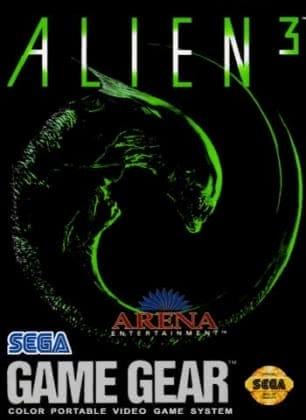
Alien 3
• 1985

Sonic the Hedgehog: Triple Trouble
• 1994
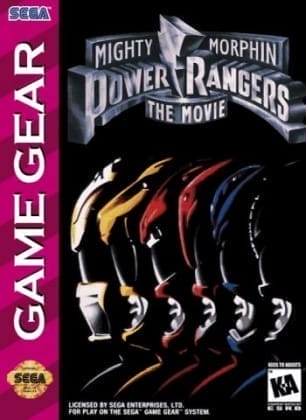
Mighty Morphin Power Rangers: The Movie
• 1995
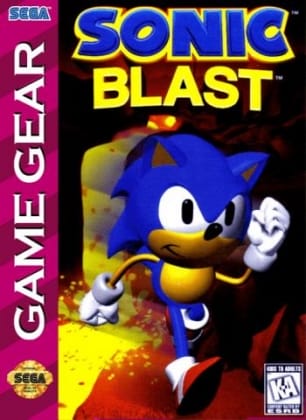
Sonic Blast
• 1996
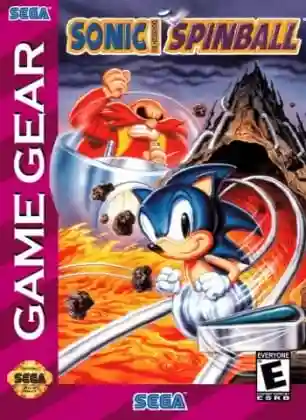
Sonic Spinball
• 1985
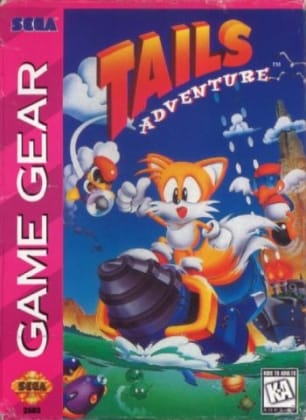
Tails Adventures
• 1995
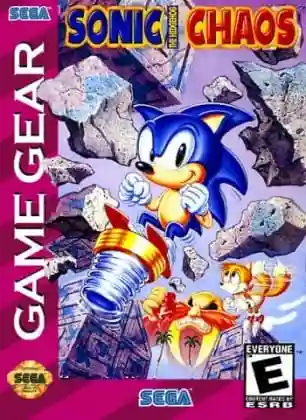
Sonic Chaos
• 1985
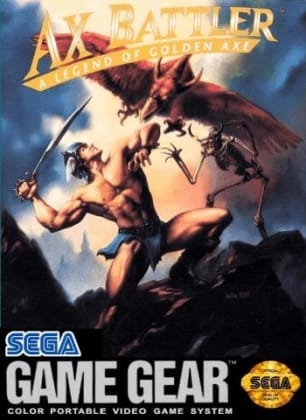
Ax Battler: A Legend of Golden Axe
• 1991
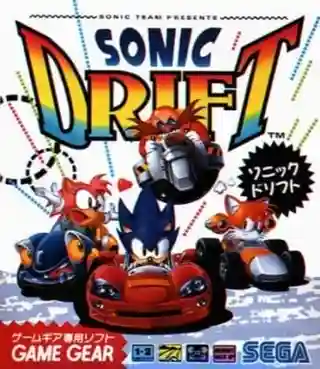
Sonic Drift
• 1994
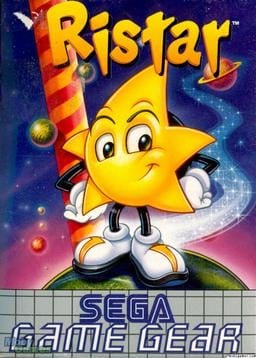
Ristar: The Shooting Star
• 1995
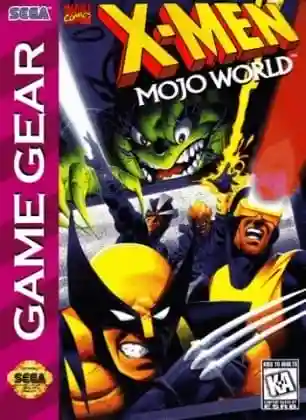
X-Men: Mojo World
• 1996
About the Sega Game Gear
The Sega Game Gear (GG) is a handheld gaming device manufactured by Sega. Released on October 6, 1990, it belongs to the 0th generation of gaming hardware.
With a library of 24+ ROMs available to download, the GG remains one of the most popular platforms for retro gaming enthusiasts. Each ROM is available for free download and compatible with popular emulators like RetroArch, giving you instant access to classic gaming history.
Whether you're looking for GG ROMs to play on your PC, phone, or dedicated retro handheld, our library has you covered with verified ROM files and complete game information.