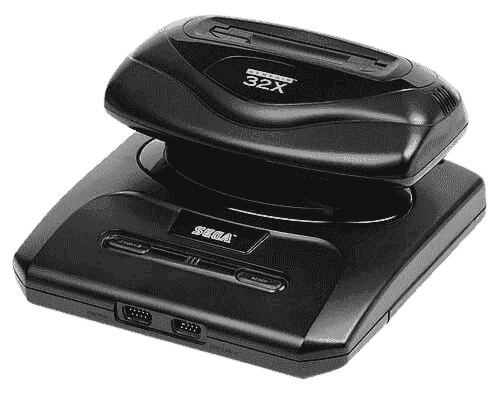
Sega 32X
Technical Specs
CPU
2x Hitachi SH-2 (SH7604) RISC processors @ 23 MHz each (same architecture as Sega Saturn), with Genesis Motorola 68000 @ 7.67 MHz and Z80 @ 3.58 MHz still active
GPU
Custom 32X VDP with dual frame buffers, capable of overlaying 32X graphics on Genesis VDP output; supports 32,768 simultaneous colors (15-bit)
Memory
256 KB SDRAM (main program RAM for SH-2 processors), 256 KB frame buffer VRAM (dual 128 KB buffers for double-buffered rendering), plus access to Genesis 64 KB main RAM
Storage
32X Cartridge ROM (plugs into 32X unit, which connects to Genesis cartridge slot), Genesis cartridge passthrough slot for backward compatibility
Display
Overlays 32X video output on top of Genesis video; 32,768 colors (15-bit RGB), supports sprite and polygon rendering; final video output combines both sources through the 32X A/V connector
Audio
PWM (Pulse Width Modulation) sound source, 2 channels, 22 kHz sample rate; mixed with Genesis YM2612 FM synthesis and SN76489 PSG audio output
Media
32X proprietary cartridge, Genesis cartridge passthrough, compatible with Sega CD when all three devices connected (6 'Sega CD 32X' titles released)
History
The Sega 32X, released November 21, 1994 in North America, was an add-on peripheral for the Sega Genesis designed as a transitional step into 32-bit gaming. It plugged into the Genesis's cartridge slot and mushroomed upward, creating an ungainly tower of hardware that became a symbol of Sega's confused product strategy during the mid-1990s.
The 32X was powered by dual Hitachi SH-2 processors running at 23 MHz ??the same CPU architecture used in the forthcoming Sega Saturn. On paper, this gave the add-on impressive 32-bit processing power capable of rendering textured polygons and handling significantly more complex game logic than the base Genesis. The custom VDP could display 32,768 simultaneous colors, overlaying the 32X's video output on top of the Genesis display.
The peripheral launched with a modest library anchored by Star Wars Arcade, a home port of Sega's popular arcade rail shooter. Other notable titles included Virtua Racing Deluxe (a dramatically improved version of the Genesis game), Knuckles' Chaotix (the only Knuckles-starring Sonic spin-off), Doom (a surprisingly capable port), and Space Harrier (an enhanced remake). However, only 40 games were ever released for the platform, and many were uninspired Genesis ports with marginal graphical upgrades.
The 32X's timing was catastrophic. It launched in November 1994 at $159.99, and the Sega Saturn arrived in North America just six months later in May 1995. Consumers who had bought a 32X felt abandoned, and those considering a purchase saw no reason to invest in a dying platform. Retailers were forced to slash prices drastically, with the 32X eventually selling for as low as $19.99 in clearance bins.
The add-on also created a confusing hardware ecosystem. With the Genesis, Sega CD, and 32X, consumers could potentially stack three devices together, connected by an unwieldy tangle of cables and adapters. This so-called 'Tower of Power' configuration was impractical and intimidating to casual buyers.
The 32X sold approximately 665,000 units before being discontinued in late 1996. It is widely regarded as one of the worst product decisions in gaming history, a cautionary tale of how internal corporate politics and conflicting strategic visions can destroy market confidence. The damage to Sega's brand was significant and measurable ??many consumers lost trust in Sega, contributing to the Saturn's struggles and Sega's eventual exit from console hardware.
Variants & Revisions
Sega 32X (Genesis / Mega Drive 32X)
Released: November 21, 1994
The only model produced. Plugged into the Genesis cartridge slot and included its own AC adapter and A/V patch cable. Launched at $159.99 in North America, ?16,800 in Japan.
Sega Neptune (cancelled)
Released: January 1, 1995
An announced but never released all-in-one console that would have integrated the Genesis and 32X into a single unit. Cancelled as Sega shifted focus to the Saturn.
32X + Sega CD combo (Tower of Power)
Released: December 1, 1994
Not a separate product but a configuration combining Genesis + Sega CD + 32X. Only 6 games (such as Night Trap 32X and Fahrenheit) utilized all three devices simultaneously.
Development Story
The Sega 32X is the product of a tug-of-war between Sega of America (SOA) and Sega of Japan (SOJ) that epitomizes the company's dysfunctional management during its most critical era. Understanding the 32X requires understanding the internal politics: SOA, led by CEO Tom Kalinske, had built the Genesis into a market leader in North America. SOJ, led by president Hayao Nakayama, was focused on the next-generation Saturn console. The two divisions had fundamentally incompatible visions for transitioning to the 32-bit era.
Kalinske believed that the Genesis still had years of commercial life remaining in North America. His proposal was a low-cost add-on ??codenamed "Project Mars" ??that would give Genesis owners a taste of 32-bit gaming without requiring them to purchase an entirely new console. The logic was sound on paper: extend the Genesis install base, maintain market momentum, and generate bridge revenue while the Saturn's library matured.
Nakayama approved Project Mars but simultaneously accelerated Saturn development, creating a scenario where Sega would launch two new 32-bit products within months of each other. SOJ engineer Hideki Sato and his team designed the 32X hardware with a tight deadline. The decision to use dual SH-2 processors ??identical to the Saturn's CPU architecture ??was theoretically strategic, as it was intended to allow developers to build skills and code that could transition to Saturn development.
In practice, the strategy backfired completely. Developers were forced to choose between investing resources in 32X titles (with a tiny and uncertain install base) or saving their efforts for the Saturn (with a larger potential market). Most chose the Saturn. The handful of developers who did create 32X games approached the platform with minimal enthusiasm, often producing quick ports rather than titles that showcased the hardware's actual capabilities.
The hardware design itself was surprisingly capable for its price point. The dual SH-2 processors could handle polygon rendering that was approaching Saturn quality for simpler scenes, and the 32,768-color palette was a dramatic improvement over the Genesis's 512 colors. However, the integration with the Genesis was clumsy. The 32X connected to the Genesis cartridge slot, required its own AC adapter (adding a second power brick to the setup), and needed a short patch cable connecting its A/V output to the Genesis's video output. When combined with a Sega CD, the system required three separate AC adapters.
The 32X's failure taught the gaming industry an enduring lesson about platform fragmentation. Consumers value simplicity and commitment from hardware manufacturers. Launching two competing 32-bit platforms simultaneously sent the message that Sega itself did not believe in the 32X, making it impossible to convince consumers otherwise. Joe Miller, Sega of America's VP of product development, later acknowledged that the 32X was born from compromise rather than conviction, calling it one of Sega's biggest mistakes.
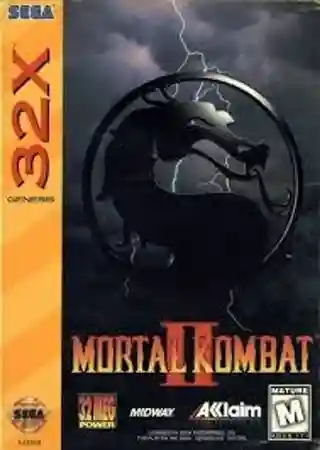
Mortal Kombat II
• 1994
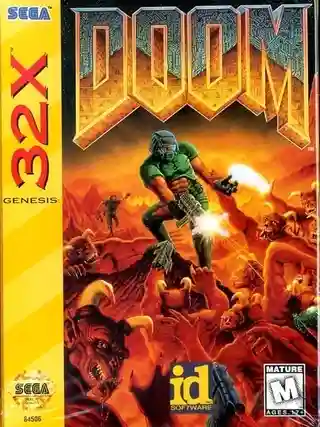
DOOM
• 1994
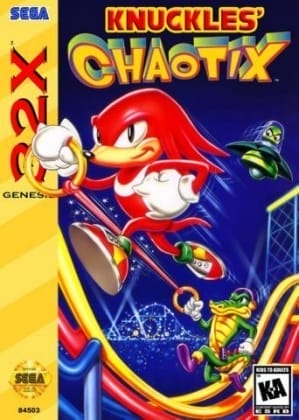
Knuckles' Chaotix
• 1995
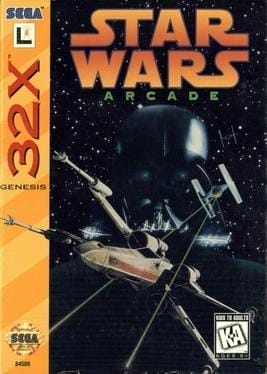
Star Wars Arcade
• 1994
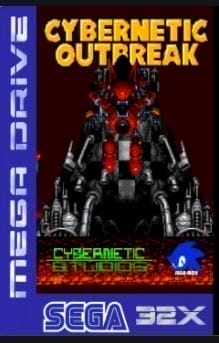
Sonic 4: Cybernetic Outbreak
• 1995
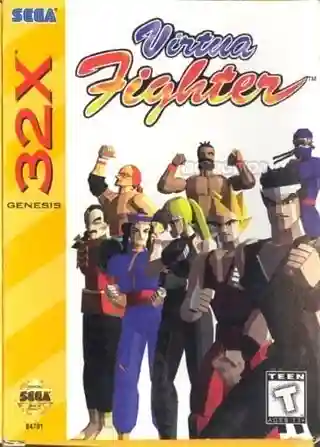
Virtua Fighter
• 1995
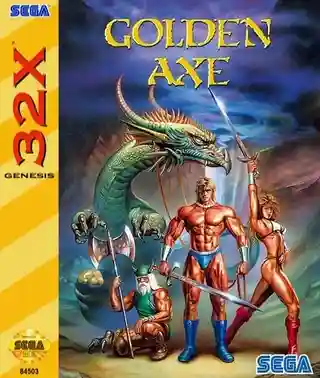
Golden Axe
• 1994
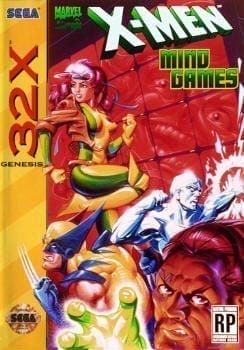
X-MEN
• 1994
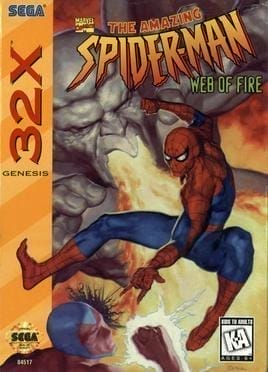
The Amazing Spider-Man: Web of Fire
• 1996
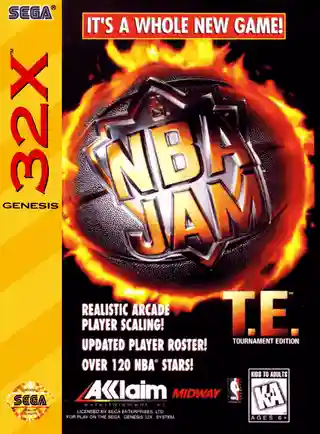
NBA Jam: Tournament Edition
• 1995
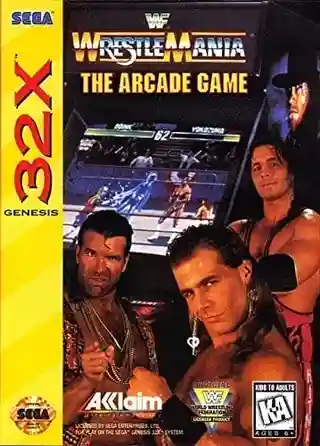
WWF WrestleMania: The Arcade Game
• 1995
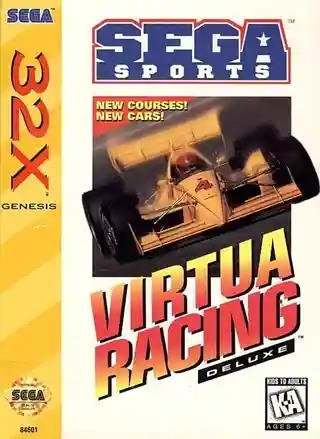
Virtua Racing Deluxe
• 1994
About the Sega 32X
The Sega 32X (32X) is a home video game console manufactured by Sega. Released on November 21, 1994, it belongs to the 0th generation of gaming hardware.
With a library of 17+ ROMs available to download, the 32X remains one of the most popular platforms for retro gaming enthusiasts. Each ROM is available for free download and compatible with popular emulators like RetroArch, giving you instant access to classic gaming history.
Whether you're looking for 32X ROMs to play on your PC, phone, or dedicated retro handheld, our library has you covered with verified ROM files and complete game information.