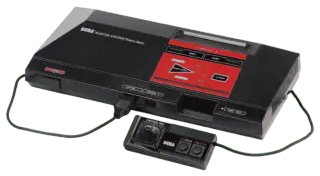
Sega Master System
Sega's 8-bit console that competed with the NES. Popular in Europe and Brazil with excellent arcade ports and original titles.
Technical Specs
CPU
Zilog Z80A @ 3.5796 MHz (identical clock speed to MSX and ColecoVision)
GPU
Yamaha YM2602B VDP (Video Display Processor), based on Texas Instruments TMS9918 architecture with significant Sega enhancements; supports hardware scrolling, 64 sprites (8 per scanline), tile-based backgrounds
Memory
8 KB main RAM, 16 KB VRAM (dedicated Video RAM for tile data, sprite attributes, and palette)
Storage
ROM Cartridge (up to 512 KB / 4 Mbit standard), Sega Card (up to 32 KB / 256 Kbit, smaller form factor), battery-backed SRAM in select cartridges for save data
Display
Resolution: 256x192 (legacy mode), 256x224 (extended mode), 256x240 (PAL only); 32 colors on screen from 64-color palette (6-bit RGB, 2 bits per channel); 8x8 pixel tile-based background, 64 simultaneous sprites (8x8 or 8x16 pixels)
Audio
Texas Instruments SN76489 PSG (Programmable Sound Generator): 3 square wave tone channels (each with 10-bit frequency and 4-bit volume control) + 1 white noise channel; optional Yamaha YM2413 OPLL FM synthesis unit (Japan/Mark III only): 9 FM channels or 6 FM + 5 rhythm channels
Media
Sega Master System Cartridge (50-pin, top-loading), Sega Card (thin credit card-format ROM, front-loading via card slot), 3D Glasses via card slot adapter
History
The Sega Master System (SMS), originally released in Japan as the Sega Mark III on October 20, 1985, was Sega's first major home console targeted at international markets. Redesigned and rebranded as the Master System for its 1986 Western launch, the console represented Sega's ambitious challenge to Nintendo's ironclad dominance of the home console market during the third generation.
Technically, the Master System was superior to the NES in nearly every measurable specification. Its Zilog Z80A CPU, Yamaha-based VDP capable of displaying 32 colors simultaneously from a 64-color palette, and 8 KB of RAM produced visuals that were noticeably sharper and more colorful than the NES could achieve. The Japanese Mark III and later Master System models also offered an optional FM synthesis sound unit using the Yamaha YM2413 chip, delivering audio quality that far exceeded the NES's pulse wave-based sound.
Despite this technical edge, the Master System could not overcome Nintendo's strategic advantages in North America and Japan. Nintendo's exclusive licensing agreements with third-party developers prevented most major publishers from releasing games on competing platforms. This meant the Master System launched with a limited software library that couldn't match the NES's growing catalog of iconic titles. Sega relied heavily on first-party development and arcade conversions, producing competent but insufficient counter-programming.
The Master System found its true audience in Europe, South America, and Oceania. In Brazil, Tec Toy licensed and distributed the system beginning in 1989, achieving near-monopoly status in the local market. The Master System became so deeply embedded in Brazilian gaming culture that Tec Toy continued manufacturing updated versions with built-in games well into the 2020s ??an extraordinary four-decade commercial lifespan. In Europe, distributors like Virgin Mastertronic (later Sega Europe) successfully positioned the Master System as the accessible, family-friendly alternative to home computers.
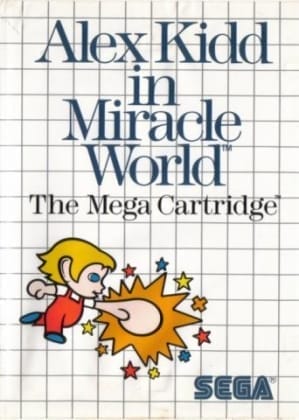
Key Master System titles include Alex Kidd in Miracle World (the built-in game in later models and Sega's pre-Sonic mascot), Phantasy Star (a landmark RPG featuring first-person dungeon exploration and a female protagonist), Wonder Boy III: The Dragon's Trap (acclaimed for its open-world design), and portable versions of Sonic the Hedgehog. The Sega Card format ??thin, credit-card-like ROM media ??was an innovative if short-lived storage format unique to the SMS.
The Master System sold approximately 13 million units worldwide, with the overwhelming majority of sales occurring outside North America. While it failed to halt Nintendo's dominance, the SMS established Sega as a credible console manufacturer and laid the groundwork for the Mega Drive/Genesis, which would become Sega's greatest commercial success.
Variants & Revisions
Sega Mark III (Japan)
Released: October 20, 1985
The original Japanese model with a more angular design and card slot. Featured both cartridge and Sega Card slots plus an expansion connector for the FM Sound Unit.
Master System Model 1 (MK-2000, worldwide)
Released: June 1, 1986
The Western redesign with a larger, sleeker case. Included built-in Snail Maze hidden game, 3D glasses port, card slot, and cartridge slot. Power base design with red accents.
Master System II (MK-3006)
Released: January 1, 1990
A cost-reduced, compact redesign removing the card slot, expansion port, reset button, and 3D glasses support. Later models had Alex Kidd in Miracle World or Sonic the Hedgehog built into ROM.
Master System III (Tec Toy, Brazil)
Released: January 1, 1998
Brazil-exclusive compact redesign by Tec Toy. Continually updated with new built-in game compilations. Remarkably, still manufactured and sold in Brazil in updated forms into the 2020s.
Master System Girl (Tec Toy, Brazil)
Released: January 1, 2009
A pink-colored variant by Tec Toy marketed toward female gamers in Brazil, featuring a compact design with built-in games including Monica in the Castle of the Dragon.
Development Story
The Master System's development grew directly from the lessons of Sega's first home console, the SG-1000. Launched in Japan on July 15, 1983 ??the same day as Nintendo's Famicom ??the SG-1000 was immediately overshadowed by its competitor. Sega responded with the SG-1000 II, a sleeker revision, followed by the Sega Mark III in 1985, which represented a genuine generational leap in hardware capability.
The Mark III was designed by Sega's internal hardware team with a clear mandate: create a console that was objectively more powerful than the Famicom in every technical dimension. The choice of the Zilog Z80A processor was strategic ??the Z80 was the most widely used CPU in the Japanese gaming and computer industry, meaning a vast pool of experienced programmers could develop software for the platform. The custom VDP, based on the Texas Instruments TMS9918 architecture but significantly enhanced, gave the Mark III superior sprite handling and color display capabilities versus the NES's Ricoh PPU.
The transformation from Sega Mark III to Master System for Western markets involved more than just a name change. Sega of America, under the initial leadership of Bruce Lowry and later David Rosen, oversaw a complete case redesign. The angular, futuristic Master System shell was designed to appeal to Western aesthetic sensibilities. The brand name "Master System" was chosen to convey authority and technological sophistication.
Nintendo's third-party exclusivity contracts were the Master System's most formidable obstacle. In North America, Nintendo required licensed developers to sign agreements prohibiting them from releasing games on competing platforms for a set period. Major publishers like Capcom, Konami, and Square were contractually bound to Nintendo, depriving the Master System of the most talented development studios in the world. This situation was later investigated by the U.S. Federal Trade Commission, which found Nintendo's practices anti-competitive, but the ruling came too late to help the Master System.
Sega's first-party development teams did their best to compensate. The Alex Kidd series was developed as a direct answer to Super Mario Bros., and while the games were competent, they lacked the refined game design that made Mario a cultural phenomenon. Phantasy Star (1987), developed by a team led by Ossale Kohta (Kotaro Hayashida) with significant contributions from artist Rieko Kodama, was a genuine masterpiece that showcased what the hardware could achieve. Its first-person dungeons, four-planet adventure, and surprisingly progressive female protagonist were ahead of their time.
The Brazilian success story is particularly fascinating. Tec Toy initially approached Sega about distributing the Master System in 1989. The timing was fortunate ??Brazil's high import tariffs made official Japanese and American consoles prohibitively expensive, and Tec Toy's local manufacturing could undercut the gray market. Tec Toy also localized games for the Brazilian market, translating text and even creating exclusive games and built-in game compilations. This partnership demonstrated how a platform could thrive in a specific regional market even after its global relevance had faded.


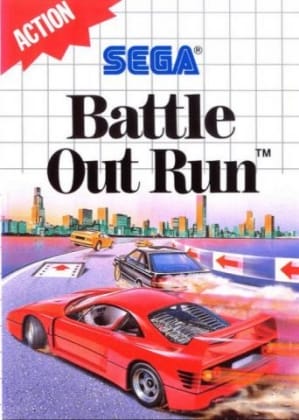
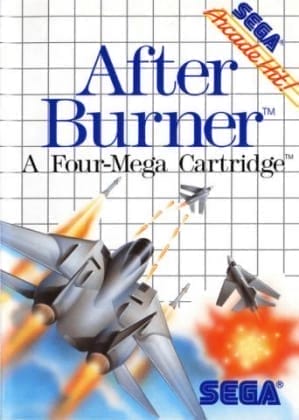
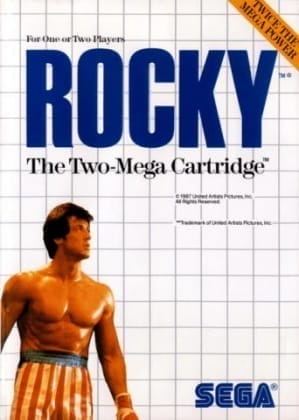

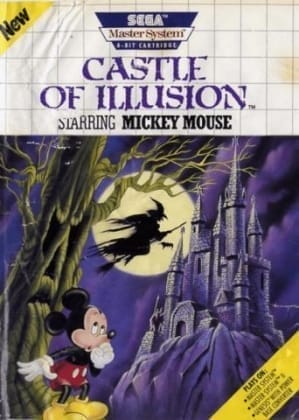
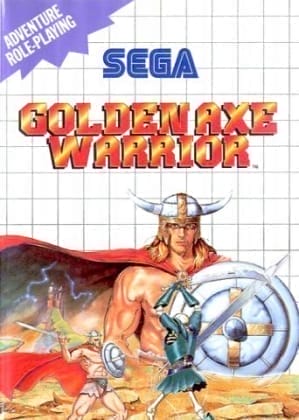
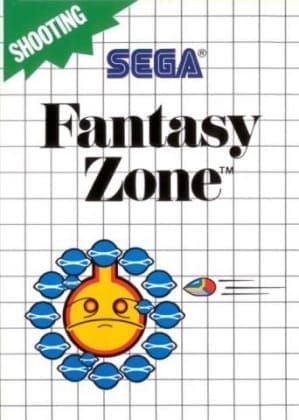
About the Sega Master System
The Sega Master System (SMS) is a home video game console manufactured by Sega. Released on October 20, 1985, it belongs to the 3th generation of gaming hardware.
With a library of 50+ ROMs available to download, the SMS remains one of the most popular platforms for retro gaming enthusiasts. Each ROM is available for free download and compatible with popular emulators like RetroArch, giving you instant access to classic gaming history.
Whether you're looking for SMS ROMs to play on your PC, phone, or dedicated retro handheld, our library has you covered with verified ROM files and complete game information.