故事
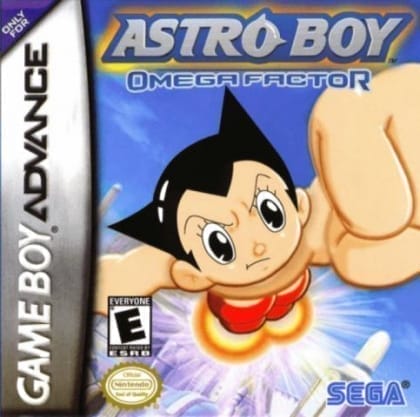
Omega Factor features elements from Astro Boy ' s different incarnations. The concept of robot rights, Dr. Tenma's ultimate plan for Astro and the robot city of Robotonia in Antarctica are lifted from the Astro Boy 2003 TV series. Plotlines from other Tezuka series include a time travel plot lifted from Marine Express , a journey to the lost continent of Mu , and a subplot involving Duke Red's daughter and her role in the "Death Mask" orbital platform. The game is divided into two episodes: Birth and Rebirth. The Birth episode follows Astro's adventures and other characters he interacts with, and ends with robots being destroyed by a device called Death Mask, after it determines that the robots are too dangerous to be left alive, leaving Sharaku able to conquer the Earth. In Rebirth, Astro is revived by a being called Phoenix , and has Astro go back to the beginning of the story and try to stop the Death Mask, giving him the ability to go back and forward in time to do so. The story includes characters from Tezuka's entire canon of work. The characters are listed in the "Omega Factor", an in-game encyclopedia of the Astro Boy fictional universe , which provides a detailed character biography, including each character's appearances and roles in Tezuka's works.
玩法系统
Omega Factor is a beat 'em up game starring Astro Boy , who must travel through stages to defeat enemies. Astro can punch and kick away enemies, as well as fire at them with a laser. Doing damage to the enemies will slowly fill the EX gauge at the top of the screen. Once the gauge is filled, Astro is able to perform a special attack, including a high-power laser, charging into the enemies, or guns that deal damage to every enemy on screen. Astro is also able to fly using rocket power, which is also sometimes necessary. Every non-player character the player meets gets added to the titular Omega Factor, the representation of Astro's soul. Some characters grant a point that can be used to improve one of Astro's stats, such as health, strength or flight speed, as well as allowing the player to find hidden areas in levels. The game features two difficulty levels in the Japanese version, and three in the North American and European versions.
媒体评价
IGN
8.8/10
GameSpot
9.2/10
Famitsu
34/40
Edge
8/10
Game Informer
8.5/10
Electronic Gaming Monthly
8.5/10
Nintendo Power
4.5/5
部分信息来源于 Wikipedia, 授权协议 CC BY-SA 3.0.