
Intelligent Systems
Fire Emblem and Advance Wars creators
Notable Games
Company History
Intelligent Systems Co., Ltd. was founded on March 1, 1986, in Kyoto, Japan, operating as one of Nintendo's closest second-party development partners. The studio emerged from R&D teams that had collaborated on Nintendo hardware and development tools, most notably creating the Famicom Disk System, the Nintendo development kits, and early NES titles.
The studio's game development legacy includes some of Nintendo's most beloved strategy franchises. Fire Emblem debuted in 1990 on the Famicom, establishing the tactical RPG genre's conventions with permadeath mechanics, weapon triangles, and character relationship systems. The series remained Japan-exclusive for over a decade until Fire Emblem (2003) on Game Boy Advance brought it West, where it eventually became one of Nintendo's major franchises following Fire Emblem: Awakening's (2012) breakout success.
Advance Wars (2001), a spiritual successor to Famicom Wars, introduced Western audiences to Intelligent Systems' accessible yet deep tactical gameplay. The Wars series became a critical favorite known for its colorful presentation and balanced strategy. Paper Mario (2000) reimagined Mario in RPG form with a distinctive flat paper aesthetic and witty writing, becoming an enduring spin-off franchise.
WarioWare, Inc.: Mega Microgame$! (2003) was a radical departure — a compilation of hundreds of micro-games lasting seconds each. The series' anarchic creativity and perfect comedic timing made it a showcase for the studio's range. Intelligent Systems also contributed to Nintendo's puzzle game library with Panel de Pon (Tetris Attack) and Big Brain Academy. The studio continues developing Fire Emblem entries, with Three Houses (2019) becoming the series' best-selling installment.
Behind the Scenes
Intelligent Systems' relationship with Nintendo grants them unusual stability and creative freedom for a Japanese developer. Working almost exclusively with Nintendo properties, the studio has maintained consistent quality while experimenting within established franchises. Their development philosophy balances accessibility with depth — games that newcomers can enjoy but veterans can master over hundreds of hours.
Fire Emblem: Awakening's development came with explicit pressure: if the game didn't sell well, Nintendo would discontinue the franchise. This existential threat prompted bold design choices: casual mode (allowing permanent death to be disabled), deeper character relationships including marriage and children, and presentation improvements bringing characters to life through cutscenes and voice acting. The gamble succeeded spectacularly, reviving Fire Emblem and establishing the character-focused elements that would define future entries.
The studio's tactical design philosophy emphasizes meaningful decisions. Every Fire Emblem move matters; every unit has strengths and vulnerabilities. This contrasts with stats-heavy JRPGs where grinding can overcome poor strategy. The permadeath mechanic creates emotional investment — losing a character means losing their story, their relationships, their growth. Players restart battles for perfect runs not because the game is hard, but because they care.
WarioWare demonstrated opposite design instincts: instead of deep, thoughtful play, it demanded instant comprehension and split-second reactions. The micro-game format allowed designers to experiment freely — each five-second game was a tiny creative exercise. The collaborative development process, where dozens of designers contributed individual micro-games, created variety that no single creator could achieve. Intelligent Systems' ability to excel in both deliberate tactical gameplay and frantic arcade action demonstrates unusual versatility.

Paper Mario
• 2000

Mario Kart: Super Circuit
• 2001
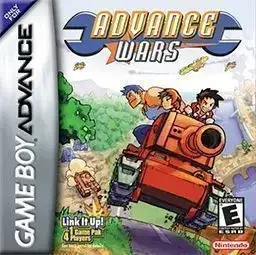
Advance Wars
• 2001
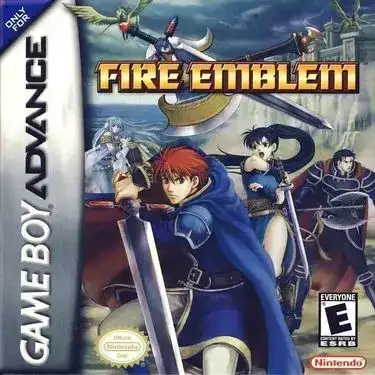
Fire Emblem: The Blazing Blade
• 2003

WarioWare: Twisted!
• 2004
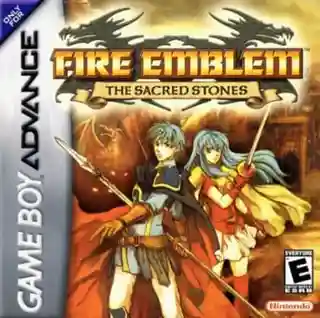
Fire Emblem: The Sacred Stones
• 2004

Advance Wars 2: Black Hole Rising
• 2003
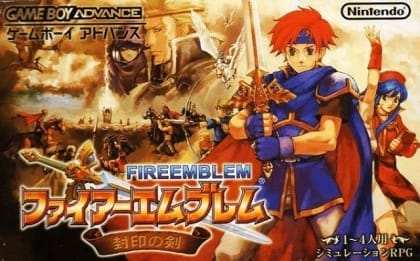
Fire Emblem: The Binding Blade
• 2002

Advance Wars: Dual Strike
• 2005
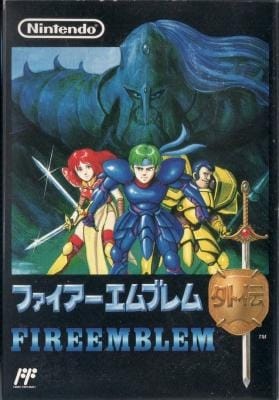
Fire Emblem Gaiden
• 1992

Galactic Pinball
• 1995

Tetris Attack
• 1996
About Intelligent Systems
Intelligent Systems is an active game development company founded on March 1, 1986 and headquartered in .
Known for creating iconic titles such as Fire Emblem: Three Houses, Fire Emblem: Awakening, Advance Wars and more, Intelligent Systems has left an indelible mark on the video game industry.